Expert Tips for Safe and Effective Dumpster Use
Ig
Introduction to Dumpster Safety
When it comes to managing waste, dumpsters are an essential tool for both residential and commercial projects. However, improper use can lead to safety hazards and inefficiencies. Understanding the best practices for safe and effective dumpster use is crucial for a smooth waste management process.
Choosing the Right Dumpster
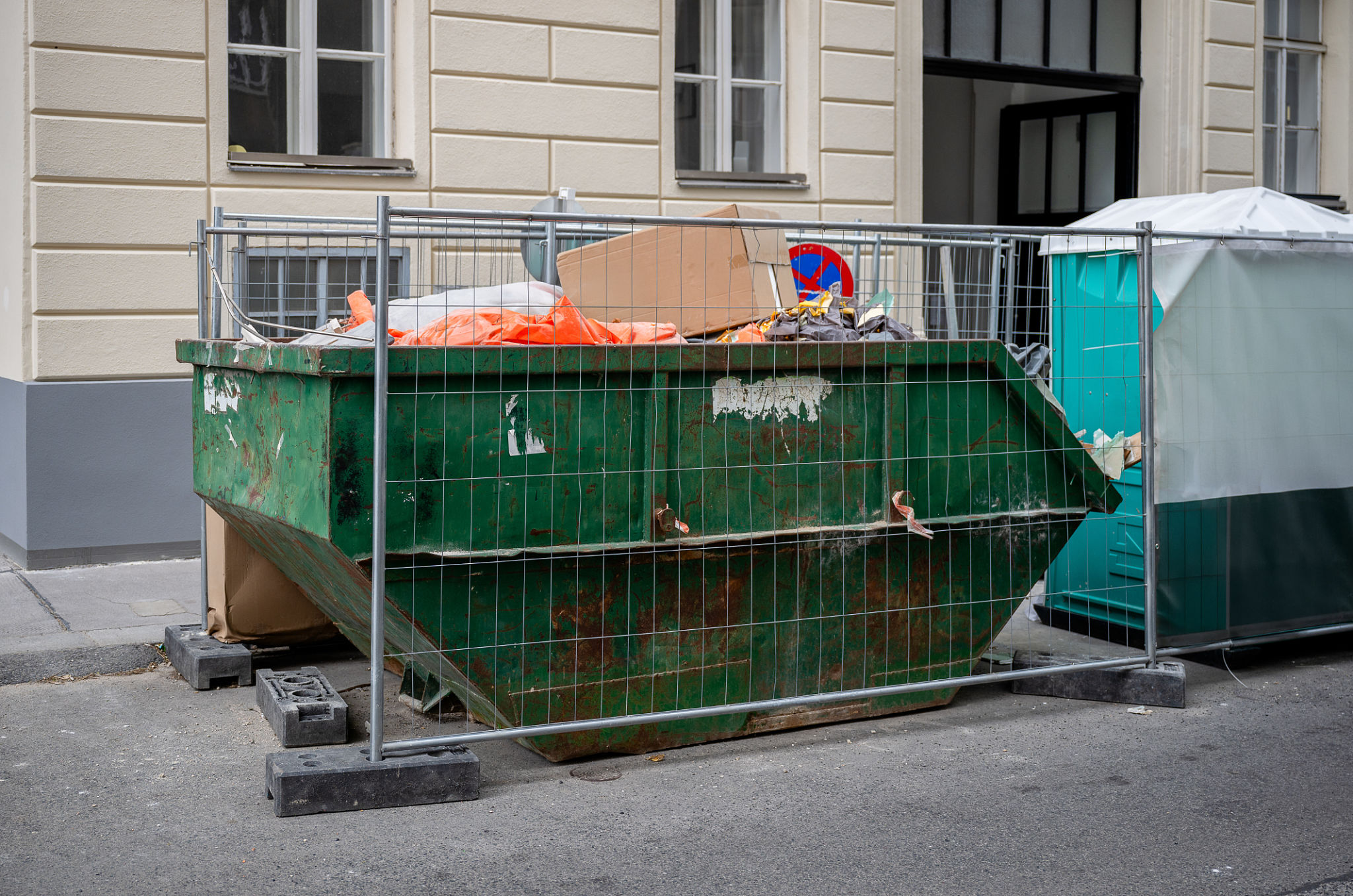
One of the first steps in safe dumpster use is selecting the appropriate size and type. Overloading a dumpster can cause dangerous situations, such as falling debris or tipping. Consider the volume and type of waste you plan to dispose of, and consult with a waste management professional if you're unsure.
Here are some common dumpster sizes and their recommended uses:
- 10-yard dumpsters - Ideal for small cleanouts and minor renovation projects.
- 20-yard dumpsters - Suitable for medium-sized renovations and larger cleanouts.
- 30-yard dumpsters - Best for major renovations and large construction projects.
Loading the Dumpster Safely
Proper loading techniques are vital to ensure safety. Always distribute the weight evenly to prevent tipping. Avoid throwing heavy objects into the dumpster, as this can lead to injury or damage. Instead, carefully place items to maintain balance and maximize space.
Avoiding Hazardous Materials
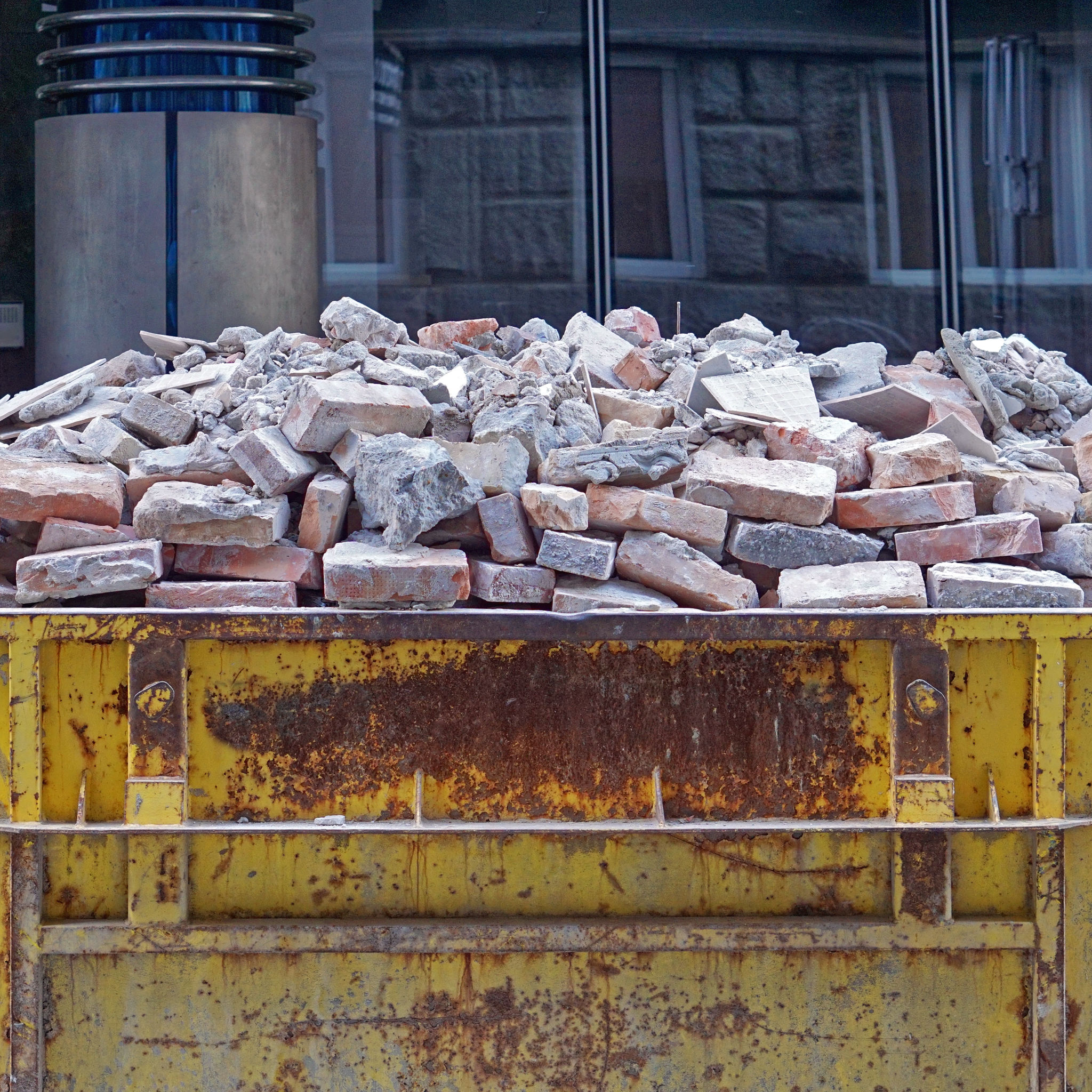
It's important to know which materials are prohibited in dumpsters. Hazardous materials such as chemicals, batteries, and certain electronics require special disposal methods. Check local regulations and guidelines to ensure compliance and prevent environmental harm.
Placement and Accessibility
When positioning your dumpster, consider both accessibility and safety. Ensure that it is placed on a stable, level surface and away from high-traffic areas. This reduces the risk of accidents and makes the loading process more efficient.

Securing Your Dumpster
Dumpsters should be secured when not in use to prevent unauthorized access and illegal dumping. Use locks or covers if available, and keep the area around the dumpster clear of debris to avoid attracting pests.
Regular Maintenance and Inspection
Routine inspections and maintenance can prevent potential issues. Check for signs of wear and tear, such as rust or structural damage, and address any problems promptly. Regular cleaning reduces odors and helps maintain a safe environment.
Final Thoughts
By following these expert tips for safe and effective dumpster use, you can manage waste responsibly and efficiently. Remember that safety and compliance are key to successful waste disposal. If you have any doubts, consult with professionals to ensure you are adhering to best practices.